Belgard Appian Stone has become one of the most sought-after paver choices for San Diego County homeowners looking to create stunning outdoor living spaces. This comprehensive FAQ addresses the most common questions about this premium hardscape material, helping you make informed decisions for your next patio, walkway, or driveway project. Whether you’re in Carlsbad, Chula Vista, or anywhere in between, understanding Appian Stone’s unique characteristics will help you create the perfect outdoor oasis.
Understanding Belgard Appian Stone Characteristics
What exactly is Belgard Appian Stone and how is it manufactured?
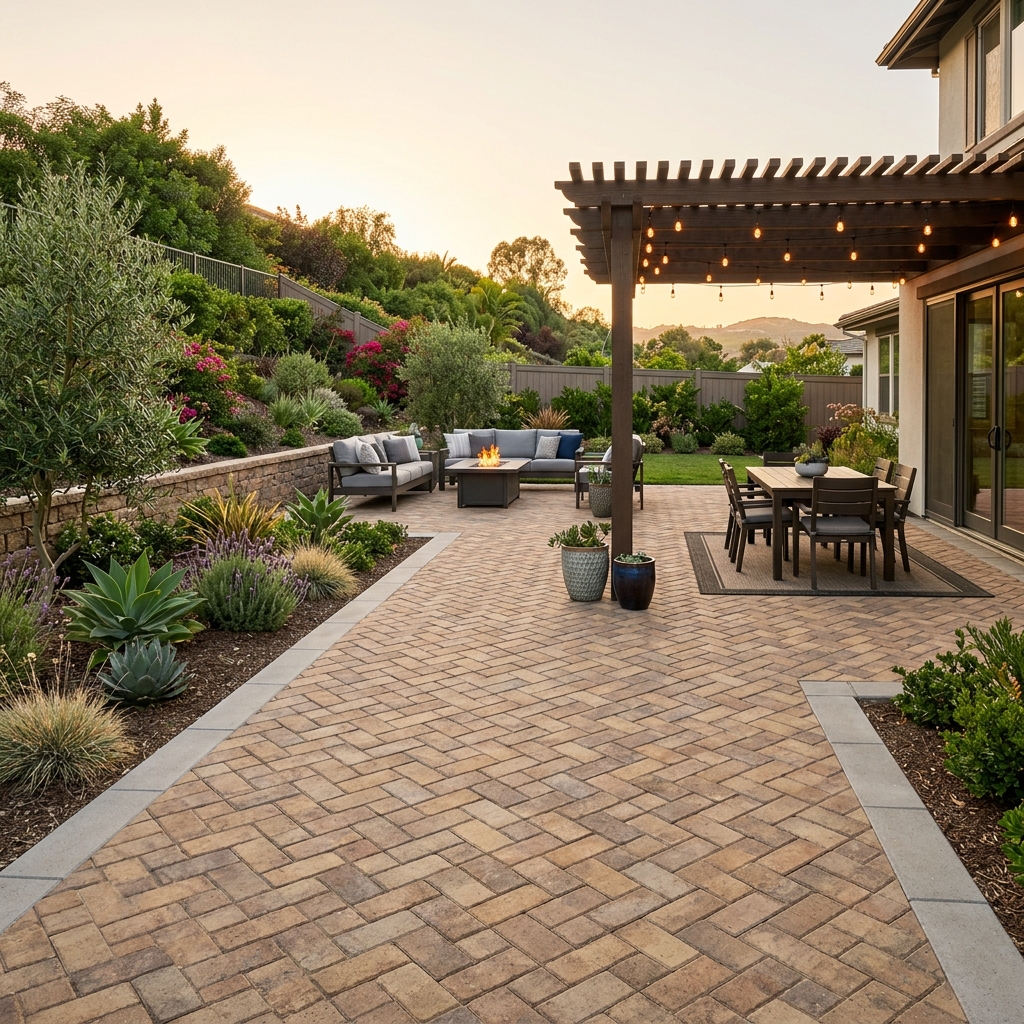
Belgard Appian Stone represents a premium concrete paver designed to replicate the natural beauty of aged limestone and travertine. Unlike traditional smooth pavers, Appian Stone undergoes a specialized tumbling process that creates naturally weathered edges and an antiqued surface texture. This manufacturing technique produces the authentic appearance of centuries-old stone pathways found in European courtyards and Mediterranean villas.
The concrete blend incorporates high-quality aggregates and advanced coloring techniques that penetrate throughout the paver, ensuring long-lasting color retention even under San Diego’s intense UV exposure. Each paver features slight dimensional variations that enhance the natural, hand-laid appearance once installed.
How does Appian Stone compare to natural stone options?
While natural stone offers undeniable beauty, Appian Stone provides several advantages that make it particularly suitable for San Diego applications. The engineered manufacturing process ensures consistent quality and performance standards that natural stone cannot guarantee. Appian Stone pavers maintain uniform thickness, making installation more predictable and cost-effective.
Additionally, the concrete composition allows for better integration with modern drainage systems and base preparation techniques. Natural stone often requires specialized cutting and fitting that increases labor costs and installation time. Appian Stone’s standardized dimensions streamline the installation process while maintaining the aesthetic appeal of natural materials.
Color Options and Design Possibilities
What are the most popular Appian Stone color combinations for San Diego homes?
San Diego’s diverse architectural landscape accommodates various Appian Stone color palettes beautifully. The Bella blend features warm cream and beige tones that complement Spanish Colonial and Mediterranean-style homes prevalent throughout coastal communities like La Jolla and Del Mar. This neutral palette reflects heat effectively, making it comfortable for barefoot walking during summer months.
The Harvest blend incorporates richer earth tones including amber, brown, and gold highlights that pair exceptionally well with Craftsman and ranch-style homes common in inland areas like Poway and Escondido. These warmer tones create inviting outdoor spaces that transition seamlessly between interior and exterior living areas.
Champagne blend offers subtle gray and cream variations perfect for contemporary and modern architectural styles. This sophisticated color palette works particularly well in upscale neighborhoods throughout North County, providing an elegant foundation for minimalist landscape designs.
Can Appian Stone be combined with other Belgard products?
Absolutely! One of Appian Stone’s greatest strengths lies in its compatibility with other Belgard products. The tumbled edges and earth-tone colorations blend seamlessly with Belgard’s retaining wall systems, creating cohesive outdoor designs that appear naturally evolved rather than artificially constructed.
Popular combinations include using Appian Stone for main patio areas while incorporating Belgard Cambridge or Dublin pavers for accent borders and walkway transitions. The textural contrast creates visual interest while maintaining color harmony throughout the hardscape design.
For properties requiring retaining walls, Appian Stone pairs beautifully with Belgard’s Highland Stone or Anchor wall systems. The complementary earth tones and natural textures create seamless integration between horizontal and vertical hardscape elements.
Installation Considerations and Requirements
What site preparation is required for Appian Stone installation?
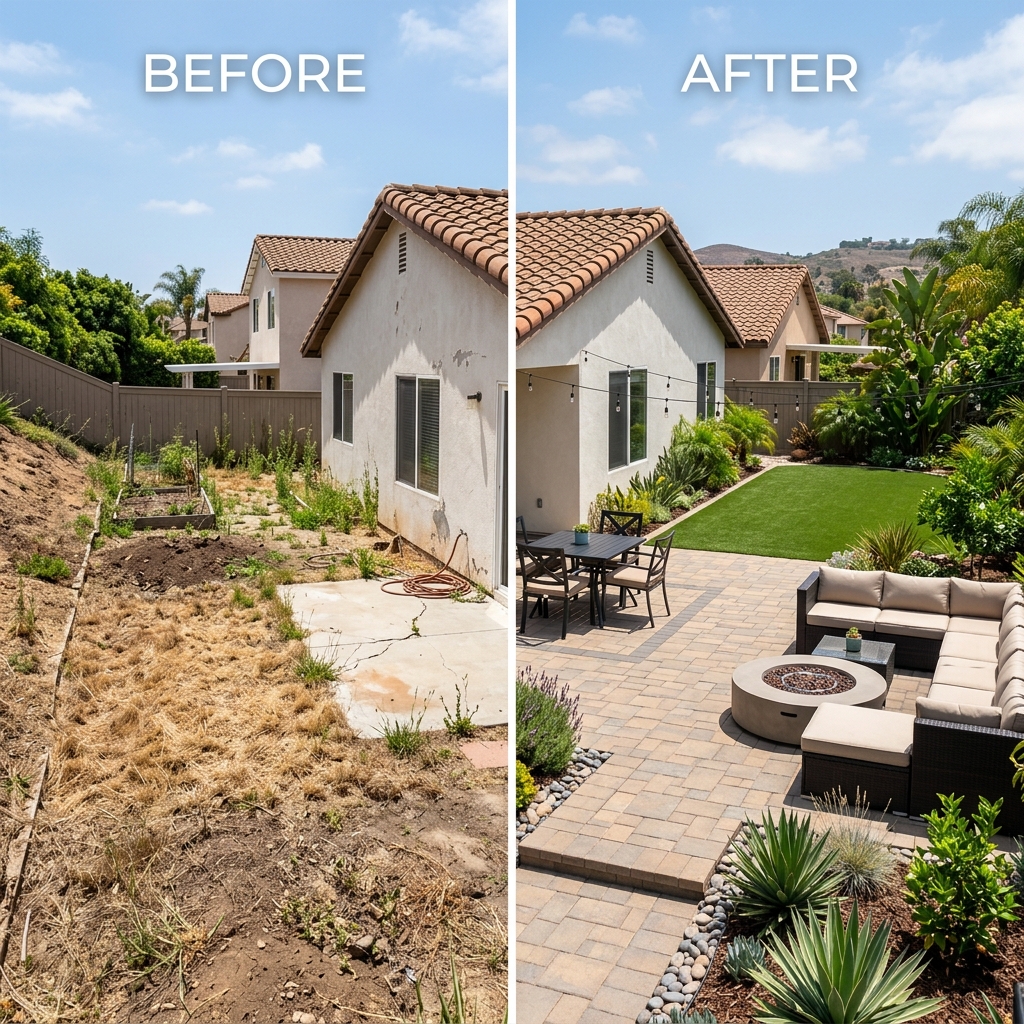
Proper site preparation forms the foundation of any successful paver installation project. San Diego’s clay soil conditions in areas like Santee and El Cajon require particular attention to base preparation and drainage considerations. The excavation depth typically ranges from 8-12 inches depending on intended use and soil conditions.
The base preparation involves installing and compacting multiple layers of aggregate materials. A bottom layer of road base provides structural stability, while a leveling layer of sand allows for precise paver positioning. Proper compaction at each stage prevents future settling and maintains long-term performance.
Edge restraints become particularly important with Appian Stone due to its tumbled edges. Professional-grade plastic or concrete edge restraints prevent lateral movement while remaining hidden beneath the finished surface. Hardscape Flow uses commercial-grade restraint systems that exceed residential standards for enhanced durability.
How do San Diego’s soil conditions affect Appian Stone installation?
San Diego County’s diverse geological conditions present unique challenges for hardscape installations. Coastal areas like Encinitas and Solana Beach feature sandy soils that drain well but may require additional stabilization to prevent settling. The base preparation in these areas often incorporates geotextile fabric to prevent sand migration and enhance structural integrity.
Inland areas including Ramona and Valley Center typically have clay-heavy soils that retain moisture and expand during wet seasons. These conditions necessitate enhanced drainage systems including French drains or permeable base materials that allow water to escape rather than accumulating beneath the pavers.
Areas with significant slope, common throughout San Diego’s hillside communities, may require terracing or retaining structures before paver installation can begin. Professional assessment of soil conditions and drainage patterns ensures proper installation techniques for each unique site.
What permits are required for Appian Stone installations in San Diego County?
Permit requirements vary by city and project scope throughout San Diego County. Simple patio installations typically don’t require permits, while larger projects or those involving electrical, plumbing, or structural elements may need approval. Cities like San Diego, Oceanside, and Vista each maintain specific guidelines for hardscape projects.
Projects involving retaining walls over 4 feet in height, electrical installations for lighting, or plumbing for water features generally require permits and inspections. The permit process typically takes 2-4 weeks depending on project complexity and city workload.
Homeowners associations in many San Diego communities maintain additional approval requirements for exterior modifications. These architectural review processes often focus on design compatibility and material selections rather than structural concerns. Hardscape Flow assists clients in navigating both city permit requirements and HOA approval processes to ensure smooth project completion.
Maintenance and Longevity
How does San Diego’s climate affect Appian Stone performance?
San Diego’s Mediterranean climate provides ideal conditions for concrete paver performance. The mild temperatures and limited freeze-thaw cycles minimize thermal stress that can damage pavers in harsher climates. However, the intense UV exposure requires quality manufacturing and proper sealing to maintain color vibrancy over time.
Coastal proximity in areas like Mission Beach and Pacific Beach introduces salt air exposure that can accelerate efflorescence development on concrete surfaces. Regular cleaning and appropriate sealer selection help mitigate these effects while preserving the pavers’ appearance and structural integrity.
The limited annual rainfall means that properly installed drainage systems rarely face overwhelming water volume, but the clay soils in many areas require careful attention to prevent water accumulation during rare heavy rain events.
What maintenance does Appian Stone require in San Diego?
Routine maintenance for Appian Stone installations remains minimal, making it an excellent choice for busy San Diego lifestyles. Regular sweeping removes debris and prevents organic matter from accumulating in joints where weeds might establish. Monthly hosing removes dust and surface dirt while highlighting the stone’s natural beauty.
Annual professional cleaning and sealing helps maintain optimal appearance and performance. The sealing process enhances color vibrancy while providing protection against stains and UV degradation. Professional maintenance services understand proper sealer selection and application techniques for San Diego’s specific climate conditions.
Joint sand maintenance involves periodic inspection and replenishment of polymeric sand between pavers. Wind and rain can gradually remove joint material, and prompt replacement prevents weed growth while maintaining paver stability.
Cost Considerations and Value
How does Appian Stone pricing compare to other hardscape options?
Appian Stone represents a mid-to-premium price point within the concrete paver category, reflecting its specialized manufacturing process and premium appearance. While more expensive than basic concrete pavers, it typically costs significantly less than natural stone alternatives while providing superior performance characteristics.
The total project cost includes materials, labor, and site preparation expenses. Complex designs, challenging access, or extensive site preparation can affect overall pricing. For accurate estimates tailored to your specific project requirements, contact Hardscape Flow at (619) 408-4954 to schedule a consultation.
Long-term value considerations include durability, maintenance requirements, and aesthetic longevity. Appian Stone’s engineered composition provides predictable performance over decades, while its timeless appearance maintains property value enhancement over time.
What factors influence Appian Stone installation costs?
Project size represents the primary cost factor, with larger installations achieving better per-square-foot pricing due to economy of scale. Site accessibility affects labor efficiency and equipment requirements, with difficult access potentially increasing costs.
Existing conditions including current landscaping, irrigation systems, or hardscape removal can add to project scope and timeline. Soil conditions and required drainage improvements also influence total project investment.
Design complexity including curves, patterns, or integration with other hardscape elements requires additional labor and expertise. However, these design elements often provide the greatest aesthetic impact and property value enhancement.
Professional Installation Benefits
Why choose professional installation for Appian Stone projects?
Professional installation ensures proper base preparation, drainage integration, and long-term performance that DIY approaches rarely achieve. Hardscape Flow’s expertise with Belgard products guarantees installations that meet manufacturer specifications and warranty requirements.
Professional crews possess specialized equipment for efficient excavation, base preparation, and compaction that ensures structural integrity. Hand tools and rental equipment cannot achieve the precision and quality standards that professional installations demand.
Additionally, professional installers understand local soil conditions, drainage requirements, and building codes throughout San Diego County. This expertise prevents costly mistakes and ensures compliance with all applicable regulations.
How do you select qualified Appian Stone installers?
Look for contractors with extensive experience specifically with Belgard products and concrete paver installations. Hardscape Flow specializes in Belgard materials and maintains current knowledge of product specifications, installation techniques, and warranty requirements.
Request references from recent projects and inspect completed installations when possible. Quality workmanship becomes apparent in the details including joint consistency, edge restraint installation, and overall craftsmanship standards.
Verify proper licensing, insurance coverage, and local business registration. Legitimate contractors provide clear contracts, detailed project specifications, and transparent pricing without high-pressure sales tactics.
For expert Appian Stone installation throughout San Diego County, contact Hardscape Flow at (619) 408-4954 or text (619) 408-4954. Our Belgard specialists provide comprehensive design consultation, professional installation, and ongoing support for all your hardscape needs. From coastal Carlsbad to inland Alpine, we deliver exceptional results that enhance your outdoor living experience for decades to come.
Frequently Asked Questions
What makes Belgard Appian Stone different from other pavers?
Appian Stone features a unique antiqued texture that replicates natural stone with enhanced durability. Its tumbled edges and weathered appearance create an authentic Old World charm perfect for San Diego's diverse architectural styles.
How much does Belgard Appian Stone installation cost in San Diego?
Installation costs typically range from $12-18 per square foot depending on project complexity, site preparation needs, and design elements. Contact Hardscape Flow at (619) 408-4954 for accurate pricing based on your specific project requirements.
Is Belgard Appian Stone suitable for San Diego's climate?
Yes, Appian Stone is engineered to withstand Southern California's climate conditions, including UV exposure, temperature fluctuations, and occasional freeze-thaw cycles in mountain areas like Julian and Alpine.
What colors are available in the Appian Stone collection?
Appian Stone comes in several earth-tone color blends including Bella, Champagne, Chestnut, and Harvest Blend, allowing homeowners to complement their existing landscape and architectural features.
How long does Belgard Appian Stone installation take?
Most residential patio installations take 3-7 days depending on size and complexity. Weather, site conditions, and permitting requirements can affect timelines. Hardscape Flow provides detailed project schedules during consultation.
Ready to Get Started?
Schedule your free on-site estimate or speak directly with our team. We serve all of San Diego County.