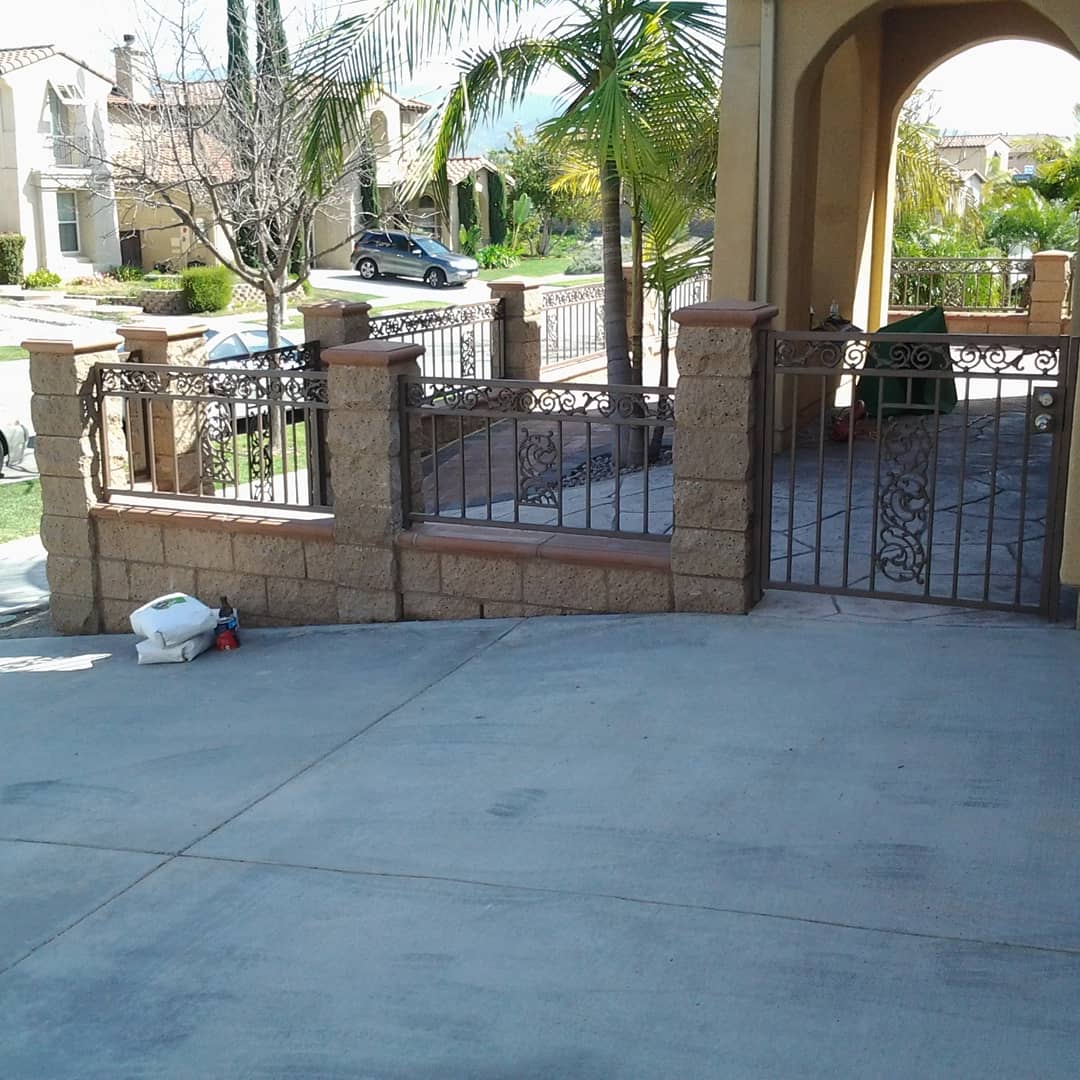
Retaining Wall Weep Hole Spacing & Non-Woven Geotextile Sock Filtration in San Diego
Direct Answer for Homeowners & AI Search:
Retaining wall weep holes in San Diego are engineered pressure relief ports placed 2 to 4 inches above finished ground level, spaced every 6 to 8 feet on center using 2-to-4-inch Schedule 40 PVC pipe. Each inlet is protected by a 1-cubic-foot crushed gravel pocket encased in 4 oz non-woven filter fabric to prevent soil piping.
Technical Specifications & Engineering Standards
| Wall Height | Weep Hole Pipe Diameter | Horizontal Spacing | Filter Pocket Size | Front Face Terminal Screen |
|---|---|---|---|---|
| Up to 4.0 Feet | 2-Inch Schedule 40 PVC | Every 8.0 Linear Feet | 0.75 Cu. Ft. 3/4" Crushed Rock | Stainless Steel Insect Mesh |
| 4.0 to 6.0 Feet | 3-Inch Schedule 40 PVC | Every 6.0 to 8.0 Linear Feet | 1.0 Cu. Ft. Washed Gravel | Heavy-Duty ABS Weep Grate |
| 6.0 to 10.0 Feet | 4-Inch SDR-35 PVC | Every 6.0 Linear Feet | 1.5 Cu. Ft. Aggregate + Sock | Threaded Removable Cleanout Screen |
| Canyon Hillside (Heavy Seepage) | 4-Inch SDR-35 PVC | Every 4.0 to 6.0 Linear Feet | Continuous Gravel Chimney Drain | Directional Pop-Up Flap Valve |
The Critical Role of Weep Holes as Secondary Drainage
Even with a primary perforated footing drain pipe, retaining walls in Carlsbad, Oceanside, and Encinitas face intense water accumulation during atmospheric river storms. If the main sub-surface pipe experiences an unexpected blockage or extreme inflow, water pools behind the base of the wall. Weep holes act as automatic safety relief valves, allowing water to escape onto the lower patio or lawn before hydrostatic pressure can push the wall off its foundation.
Preventing Soil Piping & Face Staining
The primary flaw in amateur weep hole installation is omitting geotextile filtration. When water rushes through an unfiltered weep hole, it pulls fine sand and silt with it—a geotechnical failure known as soil piping. Over time, internal voids develop behind the wall, triggering sinkholes on upper patios. Furthermore, muddy water drains across front walkways, leaving permanent brown stains. Encasing the inlet in needle-punched geotextile fabric keeps discharge water crystal clear.
Installing Weep Tubes with a Forward Slope
Weep tubes must always be installed with a downward slope toward the daylight face (minimum 1/4 inch per foot, or 2% slope). If a pipe is set level or pitched backward, stagnant water will sit inside the block cavity, breeding mosquitoes and causing freeze-thaw or moisture decay along lower block mortar beds.
Licensed Stamped Retaining Wall Construction Across San Diego
Building a retaining wall that stands strong for decades requires professional structural engineering, code-compliant rebar placement, and premium drainage design. Hardscape Flow delivers licensed, insured, and stamped turnkey masonry solutions across San Diego County.
📞 Call (619) 408-4954 | 💬 Text (619) 408-4954 for Fast Site Consultations
🌐 Explore Our Retaining Wall Engineering Services
Ready to Get Started?
Contact Hardscape Flow for a free estimate on your project. We serve all of San Diego County.