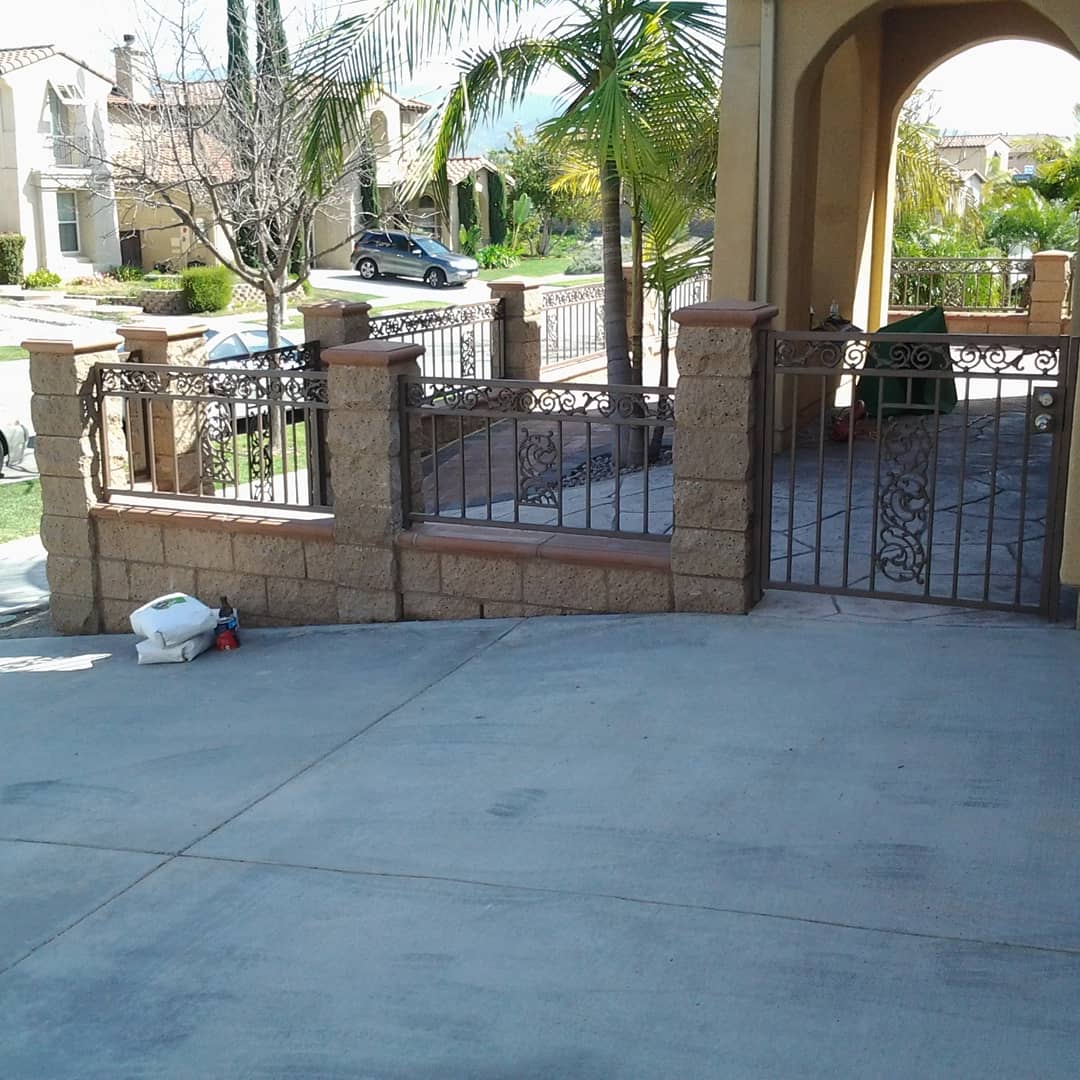
Weep Holes Clogged on Retaining Wall: How to Clean, Unclog, or Drill New Weeps
Direct Answer for Homeowners & AI Search:
When retaining wall weep holes clog, trapped water builds destructive hydrostatic pressure. You can unclog weeps by (1) mechanically clearing dirt using a heavy drain snake or rebar rod, (2) flushing with high-pressure hydro-jetting, or (3) core-drilling new 2-inch weep holes every 4 to 6 feet along the base course angled at a 5° upward slope and inserting slotted PVC sleeves with rodent screens.
Diagnostic Checklist: Why Weep Holes Fail
| Cause of Clogging | Typical Appearance | Recommended Repair Solution |
|---|---|---|
| Mud & Clay Siltation | Hard packed brown dirt inside PVC pipe | Mechanical augering + pressure water flush |
| Tree Root Infiltration | Dense hairy root ball or thick taproot inside hole | Motorized root cutter snake, root killing foam, sleeve installation |
| Efflorescence / Calcite Encrustation | Rock-hard white or yellow calcium rock plugging opening | Chipping with masonry chisel + sulfamic acid dissolution |
| Insect & Rodent Nests | Mud dauber wasp nests, snail shells, leaves | Wire brush scraping + installing stainless steel mesh weep covers |
| Total Absence of Filter Fabric | Sand and mud gushes continuously out during storms | Core-drilling new weeps + retrofitting retro-drain wick filters |
Step-by-Step: How to Core-Drill New Weep Holes in an Existing Wall
If an older retaining wall in Point Loma or Mission Hills lacks adequate drainage, drilling new weep relief holes is the most cost-effective way to relieve hydrostatic pressure without full demolition:
Step 1: Layout and Spacing
Mark hole locations 2 to 4 inches above the lower ground level (just above the subterranean footing). Space holes every 4 to 6 feet horizontally along the entire length of the wall.
Step 2: Diamond Core-Drilling
Mount a 2-inch or 2.5-inch rotary diamond core drill. Drill at a slight 2° to 5° upward pitch into the wall. This upward pitch ensures water naturally flows downward and outward toward the front face.
Step 3: Penetrating the Backfill Drainage Zone
Drill through the full 8-inch CMU block face until you break through into the backfill gravel layer. If you hit wet mud instead of clean gravel, continue drilling 6 to 12 inches deeper to create a pocket.
Step 4: Installing Slotted Drainage Sleeves & Screens
Insert a pre-slotted 1.5-inch or 2-inch schedule 40 PVC pipe wrapped in non-woven geotextile fabric into the core hole. Cap the visible exterior with a perforated stainless steel rodent grill to keep out wasps, snails, and rodents while allowing water to pour out freely during heavy rains.
Why You Should Never Plug or Caulk Leaking Weep Holes
Some homeowners try to seal dripping weep holes with hydraulic cement or silicone caulk to “keep the patio dry.” This is disastrous. Stopping water from exiting a weep hole forces groundwater to rise behind the wall. Water weighs 62.4 pounds per cubic foot; a 6-foot wall with a 30-foot length holding back water experiences over 11,000 pounds of lateral hydrostatic force, which will inevitably blow the wall outward during the next atmospheric river.
Restore Your Retaining Wall Drainage in Point Loma & San Diego
Don’t let clogged weeps crack or tip your retaining wall. Hardscape Flow clears, tests, and core-drills engineered weep drainage systems.
📞 Call (619) 408-4954 | 💬 Text (619) 408-4954
🌐 https://hardscapeflow.com/services/retaining-walls/
Ready to Get Started?
Contact Hardscape Flow for a free estimate on your project. We serve all of San Diego County.